Braille & tactile kits
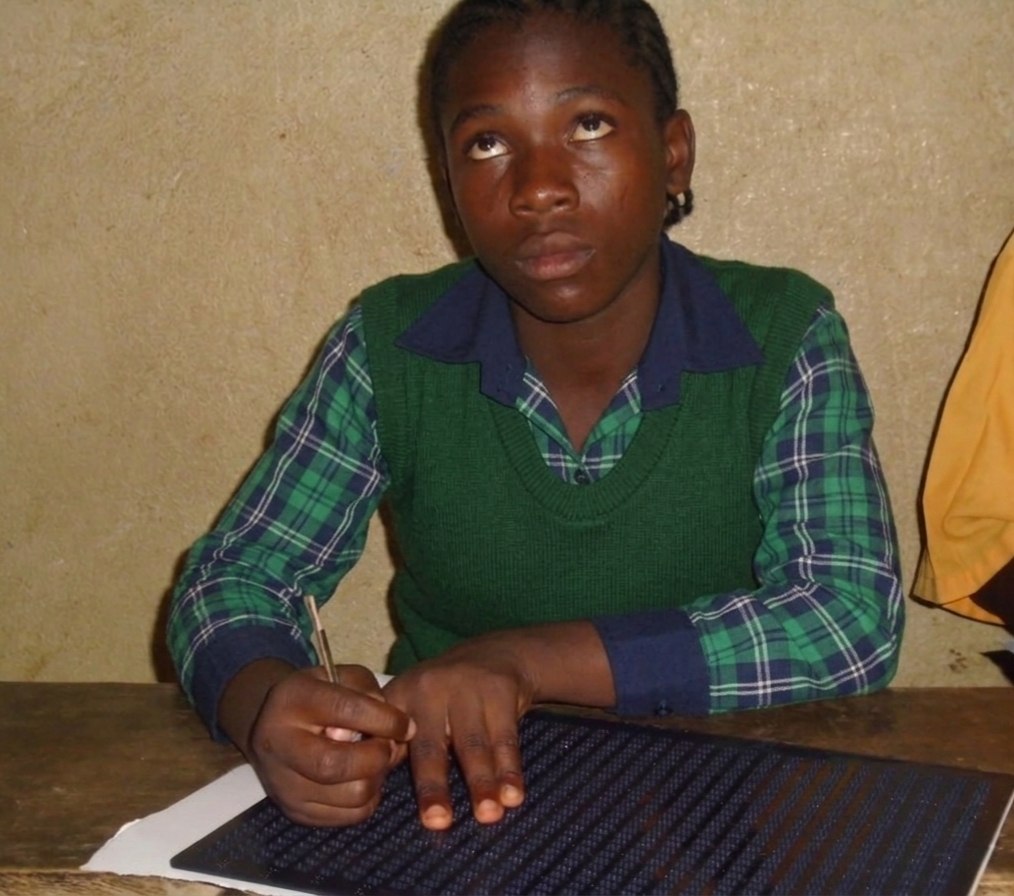
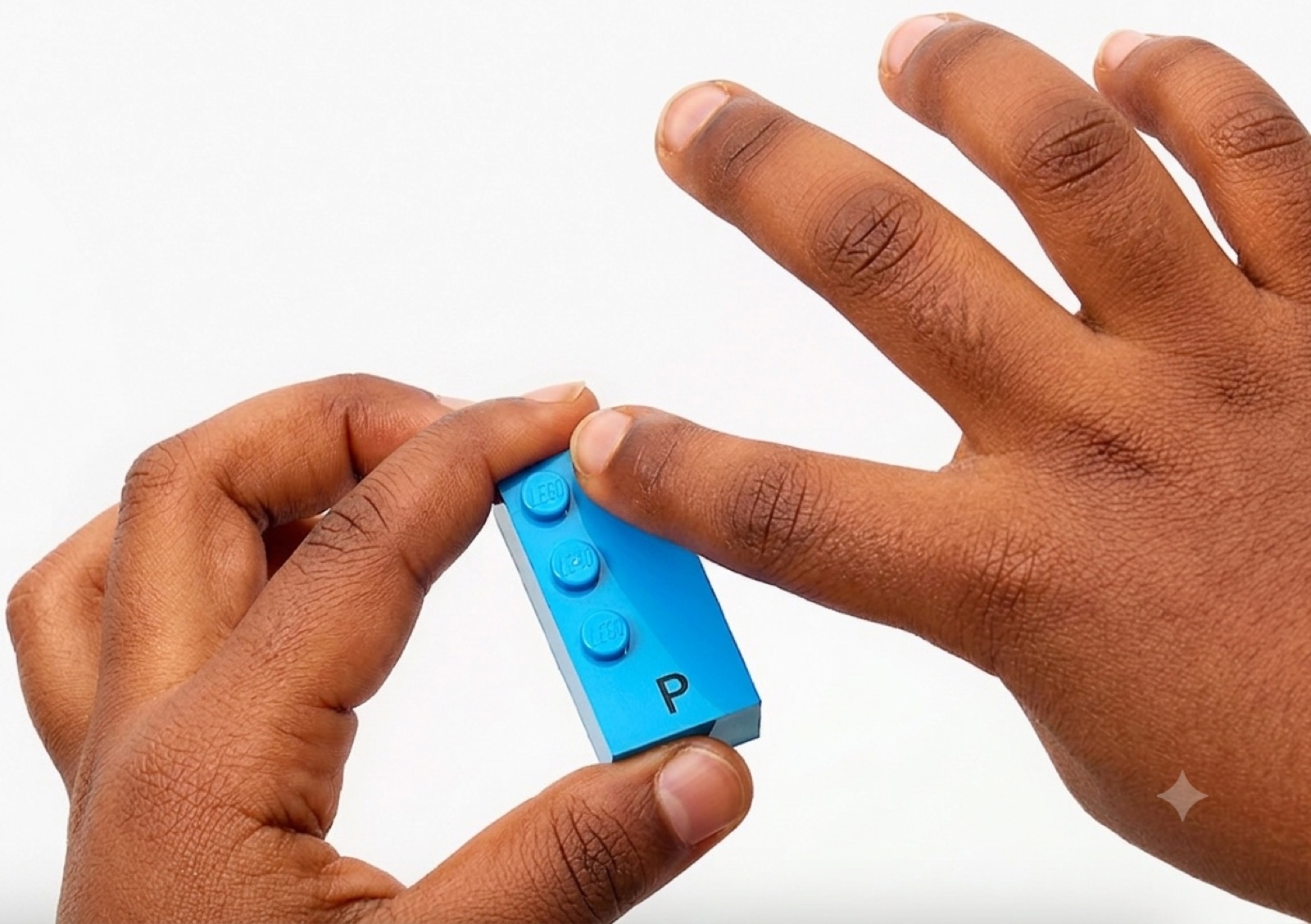
Braille learning bricks, slates and styluses, and classroom kits — sold as close to cost as we can, and given where cost is the barrier.
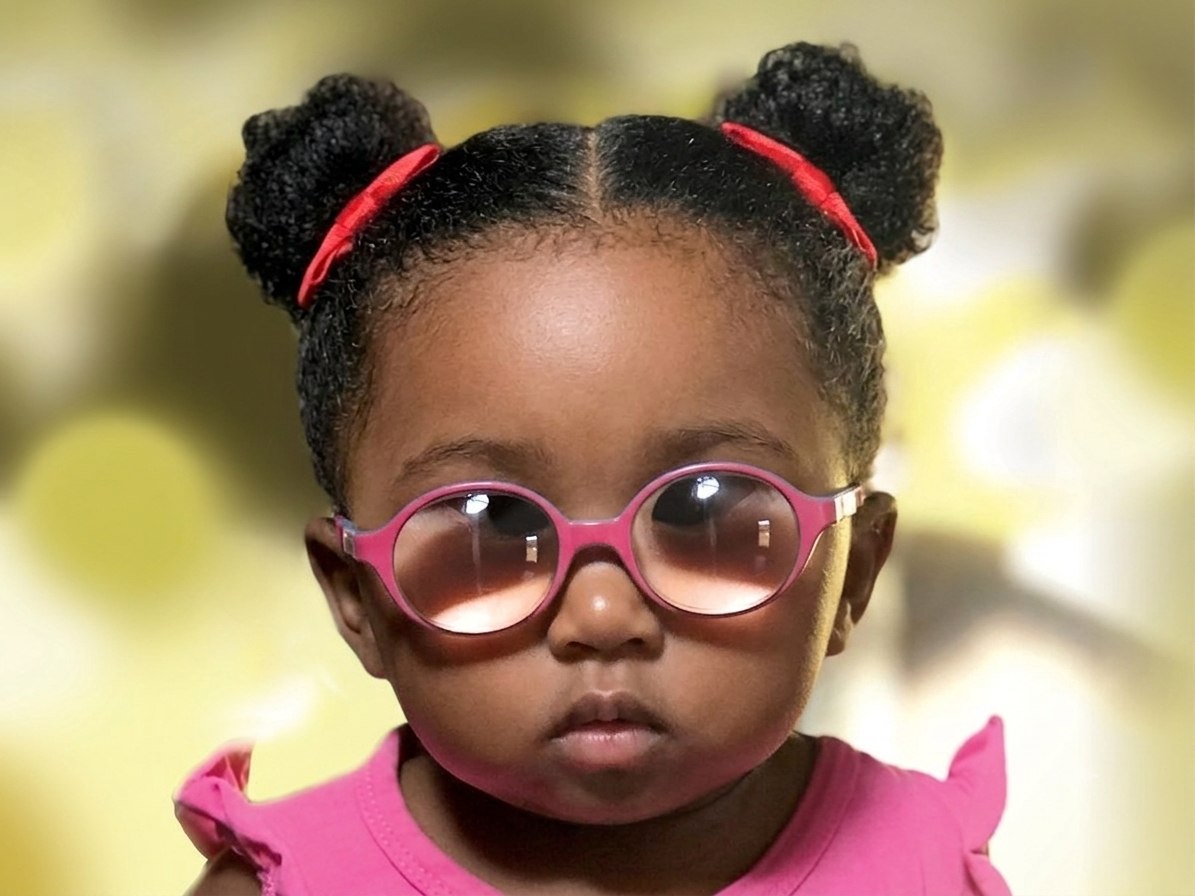
Braille and tactile learning kits for blind and low-vision students, school vision screenings, and a first pair of glasses for children who can't see the board.
For some students, a lesson can't reach them until the right tool is in their hands. A braille slate can cost a family more than a month of food. A pair of children's glasses can cost as much as a term of school fees. When those costs are out of reach, a child who could learn perfectly well is left behind for years.
So we make and source the tools: braille learning bricks, slates and styluses, and adapted classroom kits, sold as close to cost as we can and given where cost is the barrier. We run vision screenings that test whole schools at a time, because many students labelled "slow" simply can't see the board. And through First Frames, children get their first pair of glasses.
None of it works on its own. A tool is only as good as the person who knows how to use it — which is why this program works hand in hand with our teacher training.
Braille learning bricks, slates and styluses, and classroom kits — sold as close to cost as we can, and given where cost is the barrier.
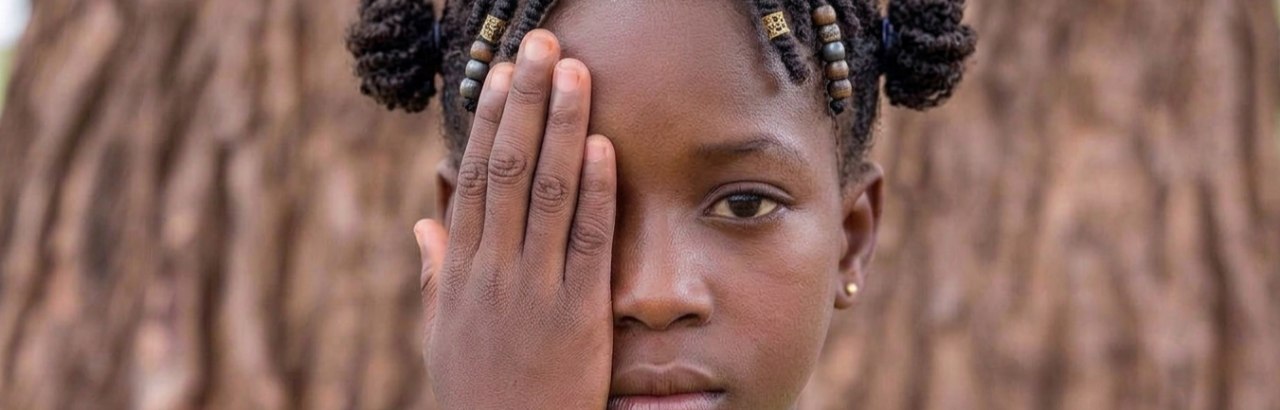
Screening days that test whole schools at a time, so students who simply can't see the board are finally found.
A child's eye exam, a first pair of glasses they choose themselves, and a replacement — because children are children.
Many students labelled "slow" simply can't see the board. Switch between views to get a rough sense of what they're working with.
The board as the lesson was designed — for a student who can see it.
A simplified illustration, not a medical simulation. A screening and a pair of glasses fix many of these in an afternoon.
Screening days and teachers' referrals find the students whose sight is holding them back.
Glasses for the students who need them; braille and tactile tools for the students who are blind or low-vision.
A tool is only half of it. Our teacher training and volunteer network make sure someone knows how to use it.
Hana's sight began fading when she was six. Nobody called it blindness for a long time — she was called slow, then lazy, then quiet.
Liya's mother knew something was wrong before anyone else believed her. Her daughter held toys against her nose. She reached for faces and missed.
At the first school screening we ran, teachers gave us a list of the students they were worried about — the ones failing, the ones who had stopped trying.
Get in touch through the contact page or book a call, tell us about your school, and we'll talk through what's possible.
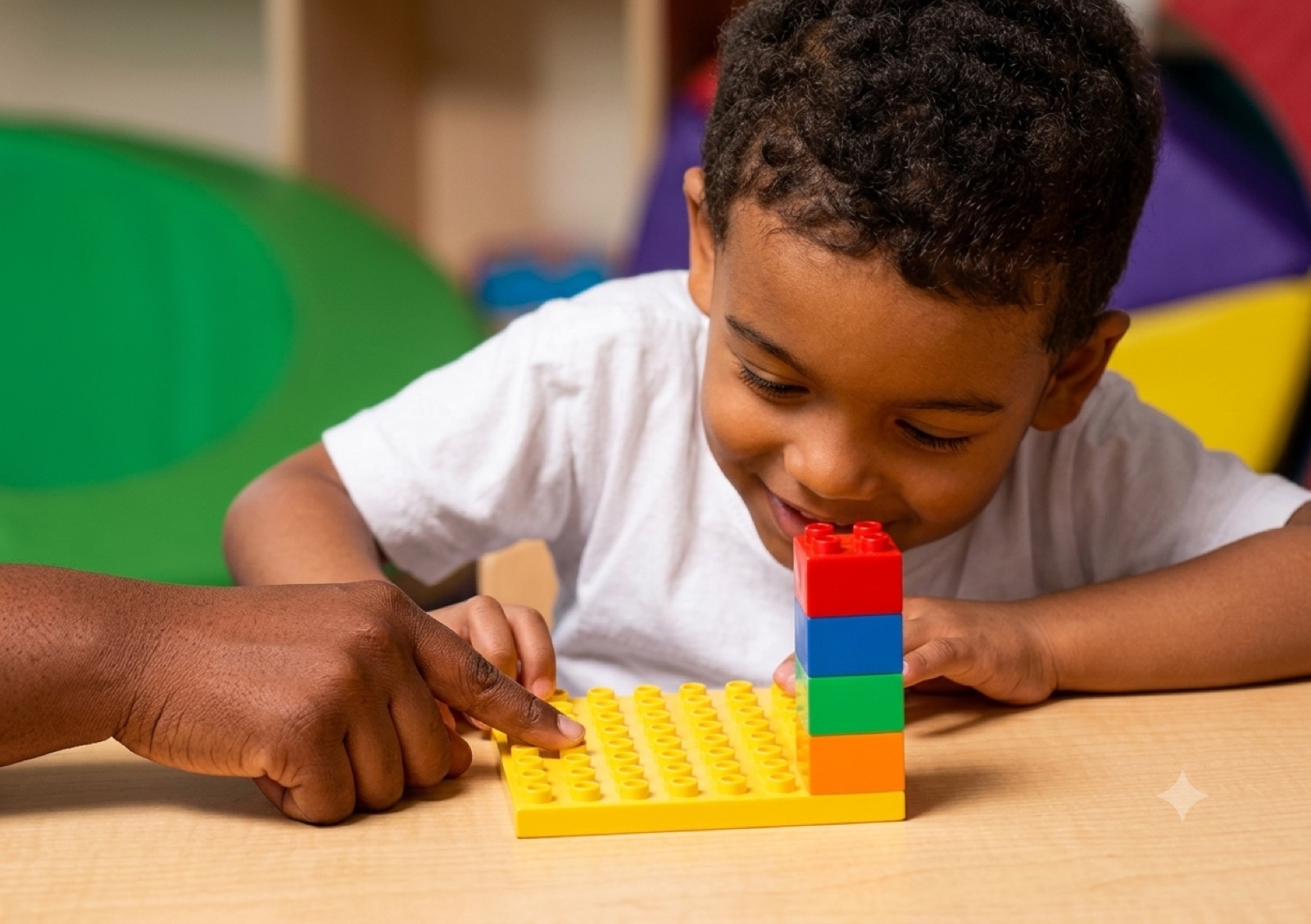 Program 01
Hands-on STEAM
Hands-on science, technology, engineering, art and maths: lessons built around things students make and test, so everyone in the class takes part.
Explore
 Program 02
Robotics & engineering
Hands-on robotics for ages 10 to 25: mechanical design, electronics and coding, learned in teams with engineering mentors and shown at robotics events.
Explore
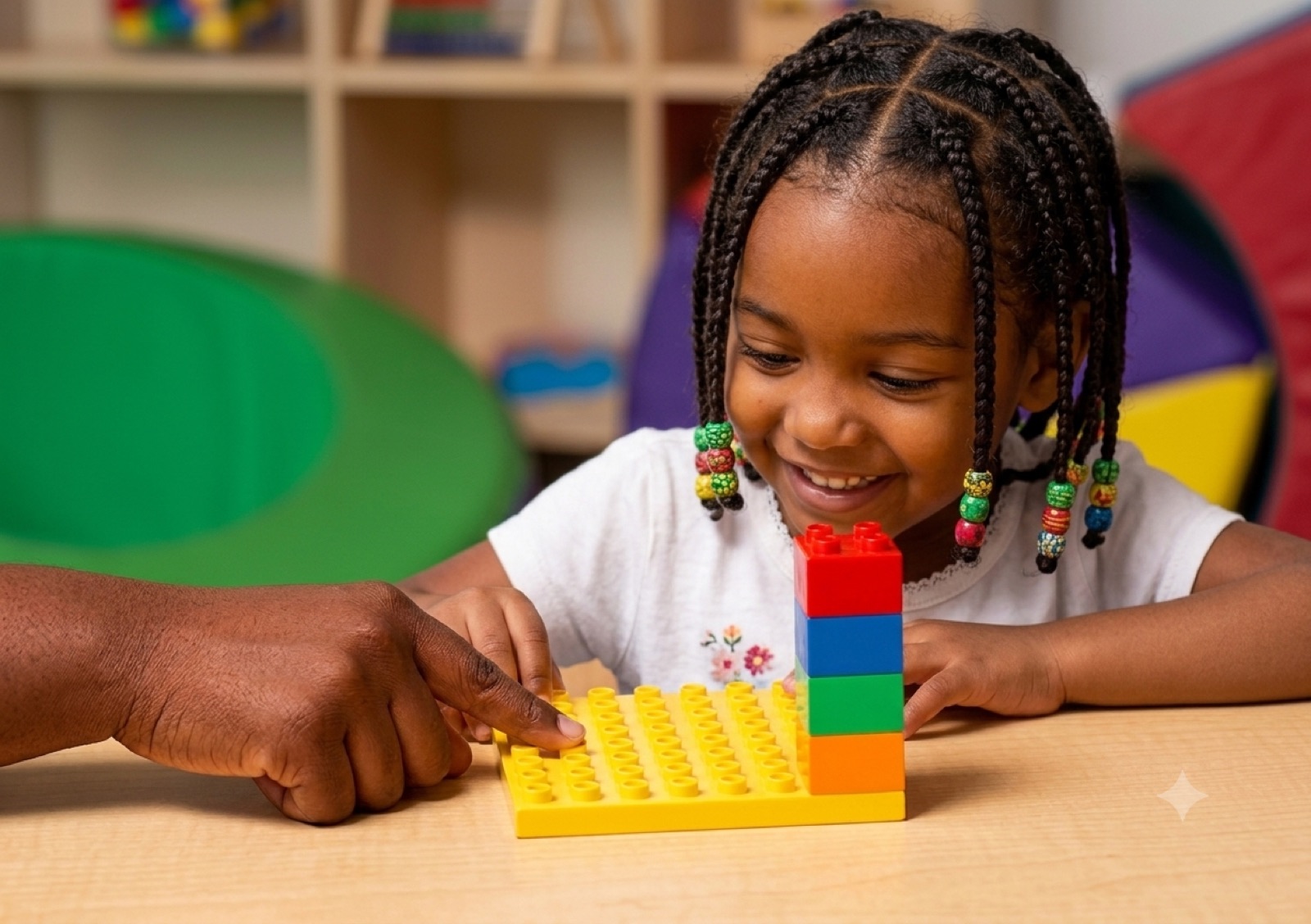 Program 03
Teacher training
Practical training in hands-on, inclusive teaching — how to adapt a lesson, run a mixed classroom, and give every student a real way in.
Explore