Display:
About us

A small organisation with one stubborn idea.

That a child's education should not be decided by whether their family can afford a piece of plastic with dots on it. We started with blind and low-vision students because that is where the need found us. The goal is bigger: an education system in which no disability decides a child's future.

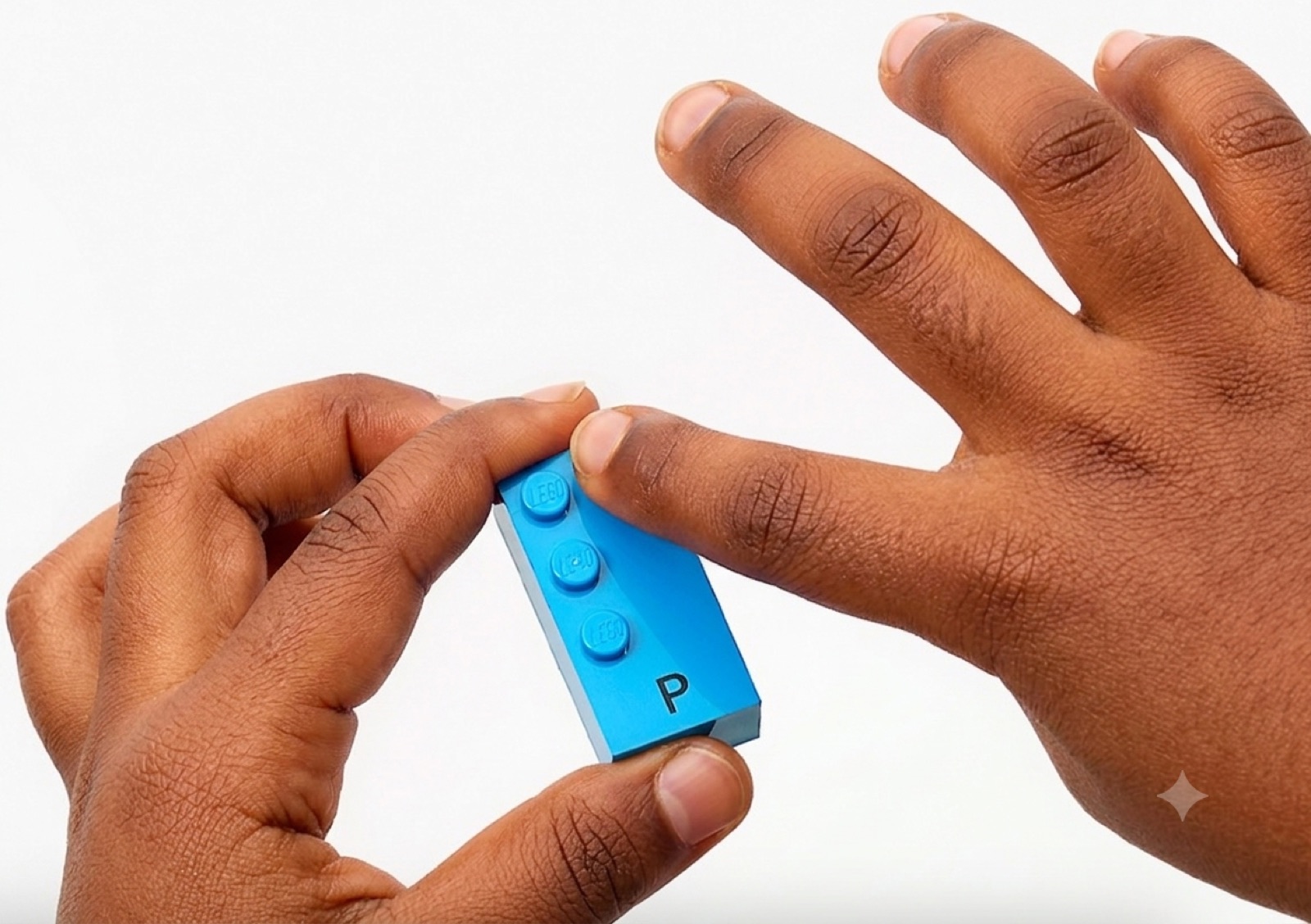
Two hands examine a blue braille learning brick with raised dots and the printed letter P.
A braille learning brick. Roughly the cost of a textbook; often the difference between literacy and eight years of listening.
Why we exist
The hardest part of losing sight is what the world stops expecting of you.
— What we heard, over and over, before we started

Children who lose their sight rarely lose their curiosity. What they lose is access: to books they can read, to teachers trained to reach them, to equipment the rest of the classroom never has to think about. Almost none of that is expensive by the standards of the people who design it. All of it is out of reach for the families who need it most.

Hana spent eight years in school without reading a word — not because she couldn't learn braille, but because nobody at her school had a slate or knew how to use one.

How we work

Four rules we hold ourselves to.

None of these are original. All of them are things we have seen go wrong when they are ignored.

Ask for something specific

Every story on this site ends with the exact thing that student is waiting for — a slate, a term of braille paper, a teacher's training — priced honestly. We would rather you fund one real object than a mission statement.

No vague funds

Buy one, give one

Our shop is not a fundraising gimmick with a markup. Your payment covers your item and its twin, and we tell you which partner school on our waiting list received the second one.

Priced near cost

People before parcels

Equipment sitting in a storeroom teaches nobody. Every tool we place is paired with a trained adult — a classroom teacher, a transcriber, a volunteer reading buddy — because the person is the intervention.

Tools plus training

Consent, then publish

We publish a photograph or a story only with the consent of the student and their guardian, and we change names and identifying details where that protects a child. Nobody has to trade their privacy for a slate — our privacy page spells out what that means in practice.

Dignity first
Where the money goes

Four things, and we will show you the receipts.

We are an early-stage organisation and we would rather tell you that plainly than publish a pie chart we cannot yet stand behind. What we can tell you is exactly what every kind of gift is spent on — and, once each intake closes, which schools received what.

  • Tools. Slates, styluses, braille paper, learning bricks and adapted classroom kits — bought in bulk and placed in schools that cannot buy them.

  • Training. Orientation for volunteers and short courses for classroom teachers who have never taught a blind student before.

  • Screening days. Getting eye-care professionals in front of children who have never been examined, and covering the referrals that follow.

  • Running the work. Transport, storage, and the unglamorous admin that keeps the other three honest. We keep it small; we do not pretend it is zero.

Being straight with you

What we are not claiming.

We do not publish student counts, impact percentages, or testimonials we cannot evidence. Where a figure on this site comes from someone else's research, it is cited on the page. The stories are real situations, told with permission, with names and details changed where a student asked us to. If you find anything here that overstates what we do, tell us and we will correct it.

Questions about our accounts, our partner schools, or how a specific gift was spent are fair questions, and we answer them individually until we are large enough to publish a proper annual report. Ask us anything.

Convinced, sceptical, or somewhere in between — we'd like to hear from you.

Get in touch