Inclusive teaching methods
Practical ways to plan and run a lesson so that students who learn differently — including blind and low-vision students — can take part fully.
Practical training in hands-on, inclusive teaching — how to adapt a lesson, run a mixed classroom, and give every student a real way in.
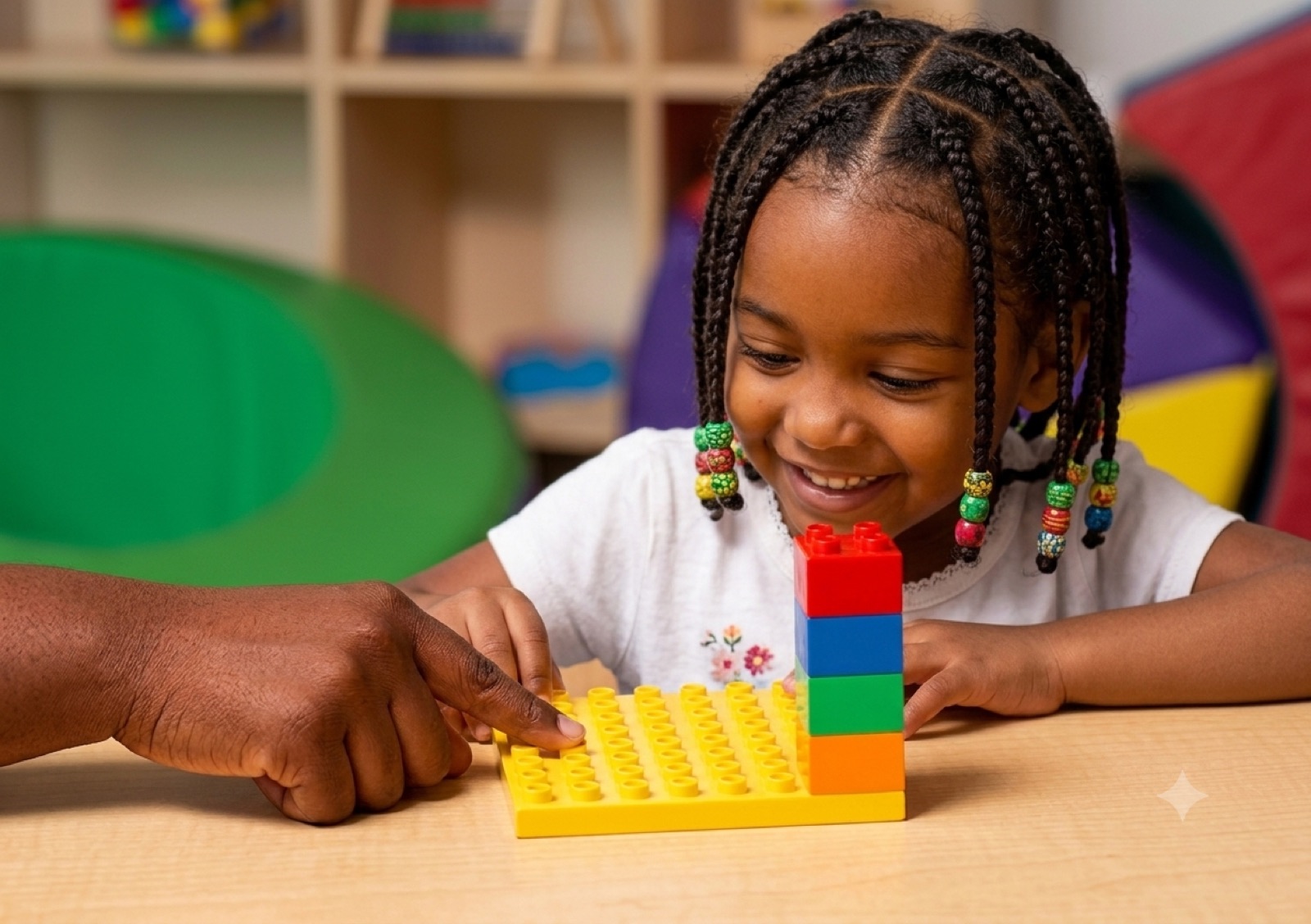
Every school has students who are quietly being left behind — not because they can't learn, but because the lesson in front of them wasn't built for the way they learn. A student who can't see the board. A student who needs to touch and build to understand. A student whose teacher was never shown how to include them.
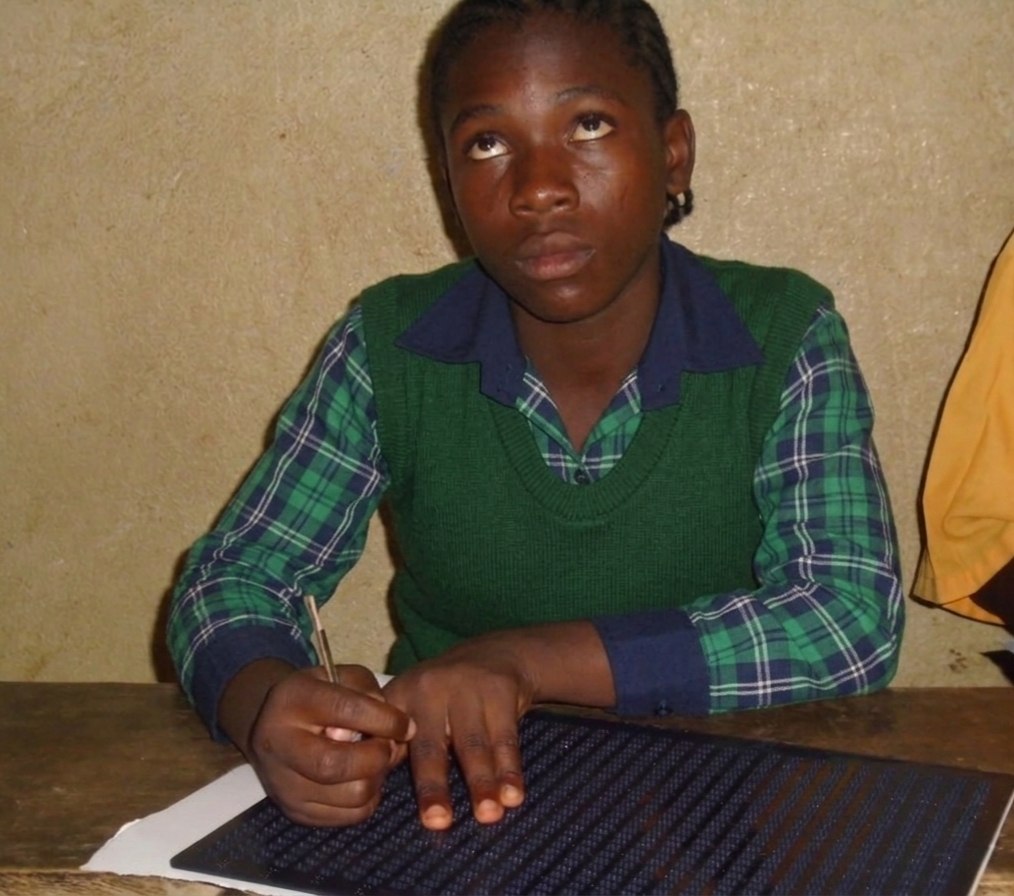
The fix is rarely expensive equipment. More often it is a teacher who knows what to do. When Hana finally learned to read at fourteen, the whole intervention was a slate, a stylus and one adult who knew how to use them.
That is why training sits at the centre of our work. One teacher who knows how to adapt a lesson reaches every student they will ever teach — this year's class, next year's, and every one after.
Practical ways to plan and run a lesson so that students who learn differently — including blind and low-vision students — can take part fully.
An introduction to braille and tactile materials for any teacher, so a blind student is never waiting for the one specialist who isn't there.
How to turn a lesson from the board into something students can build and test — the same approach as our STEM program.
Follow-up from our volunteer network of educators and specialists, so questions that come up in the classroom get answered.
A quick, private self-check. Tick what is already true for you — nothing is saved or sent anywhere.
Book a call or get in touch. We'll ask about your school, your students and what your teachers want to be able to do.
Training is practical: teachers try the methods and materials themselves, the way their students will.
Teachers put it into practice with support from our network, and we stay in touch as questions come up.
Hana's sight began fading when she was six. Nobody called it blindness for a long time — she was called slow, then lazy, then quiet.
No. The training starts from the classroom teachers already have, not from specialist knowledge.
No. The methods help any teacher reach students who learn differently. Teaching blind and low-vision students is one part of it.
Book a call or send us a message through the contact page, and we'll talk through what would suit your school.
 Program 01
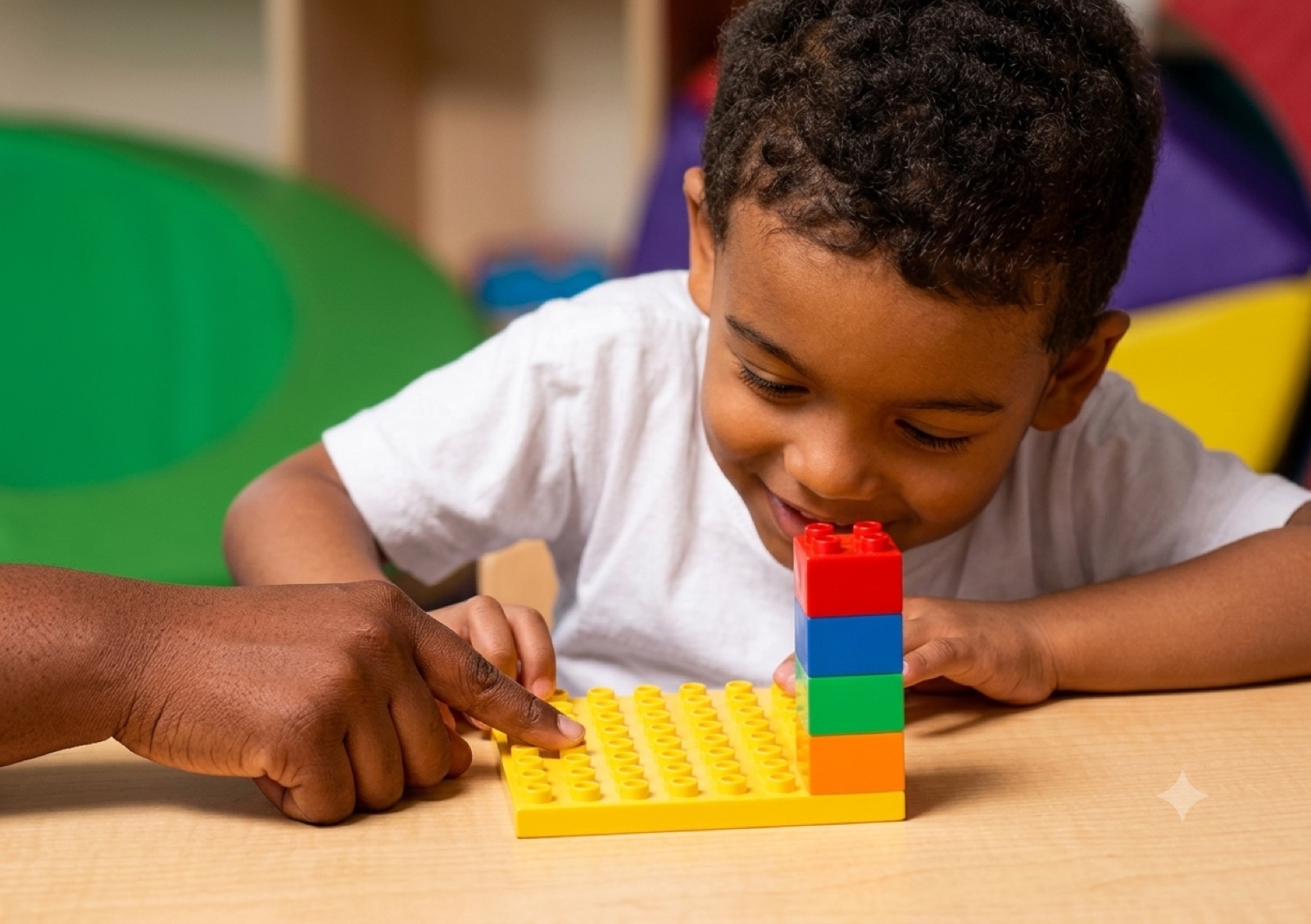
Hands-on STEAM
Hands-on science, technology, engineering, art and maths: lessons built around things students make and test, so everyone in the class takes part.
Explore
 Program 02
Robotics & engineering
Hands-on robotics for ages 10 to 25: mechanical design, electronics and coding, learned in teams with engineering mentors and shown at robotics events.
Explore
 Program 04
Tech for good
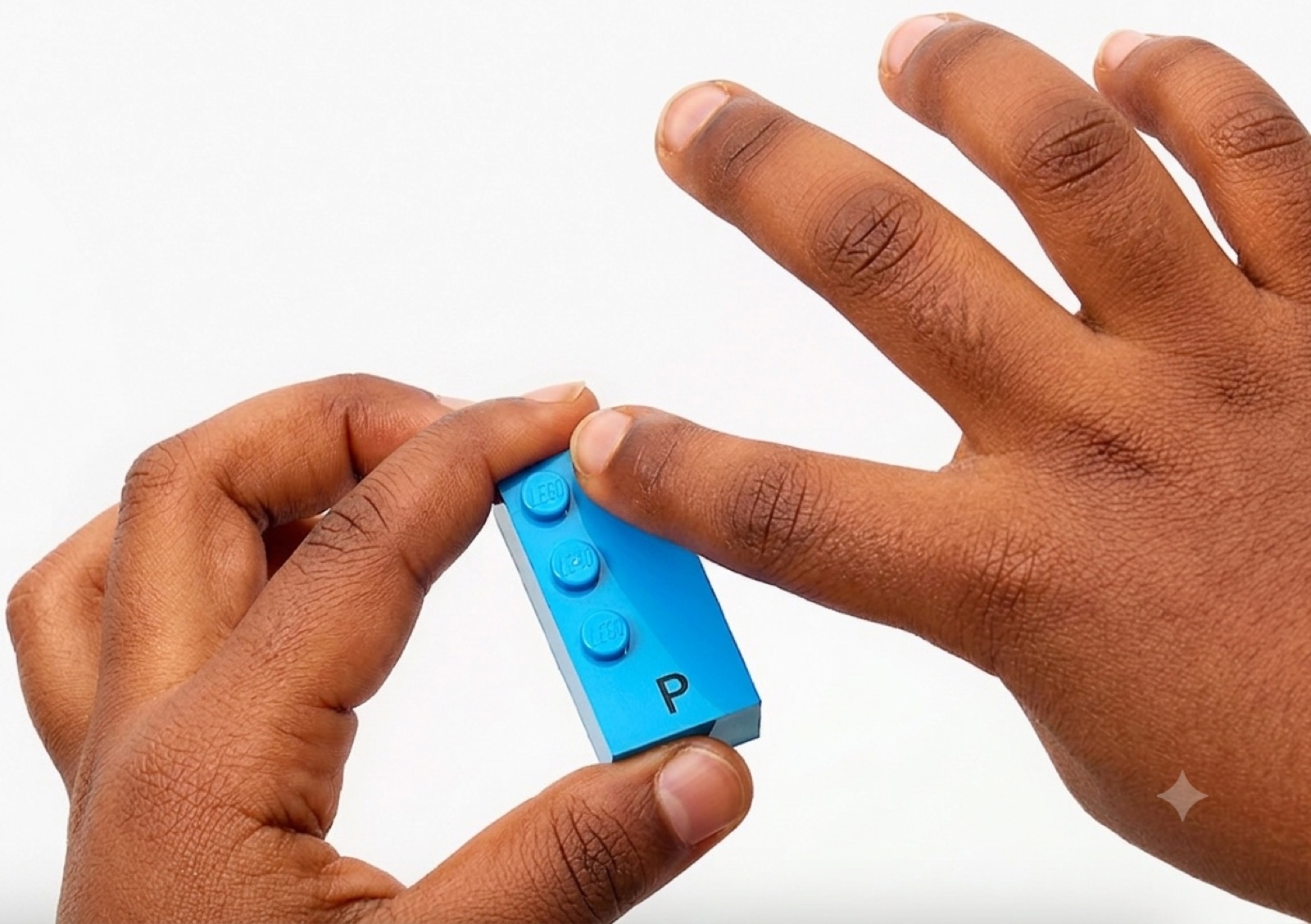
Braille and tactile learning kits for blind and low-vision students, school vision screenings, and a first pair of glasses for children who can't see the board.
Explore