Robotics workshops
Regular small-group sessions where students design, wire and program a robot from the first bolt to the final test — and leave knowing how every part of it works.
Hands-on robotics for ages 10 to 25: mechanical design, electronics and coding, learned in teams with engineering mentors and shown at robotics events.
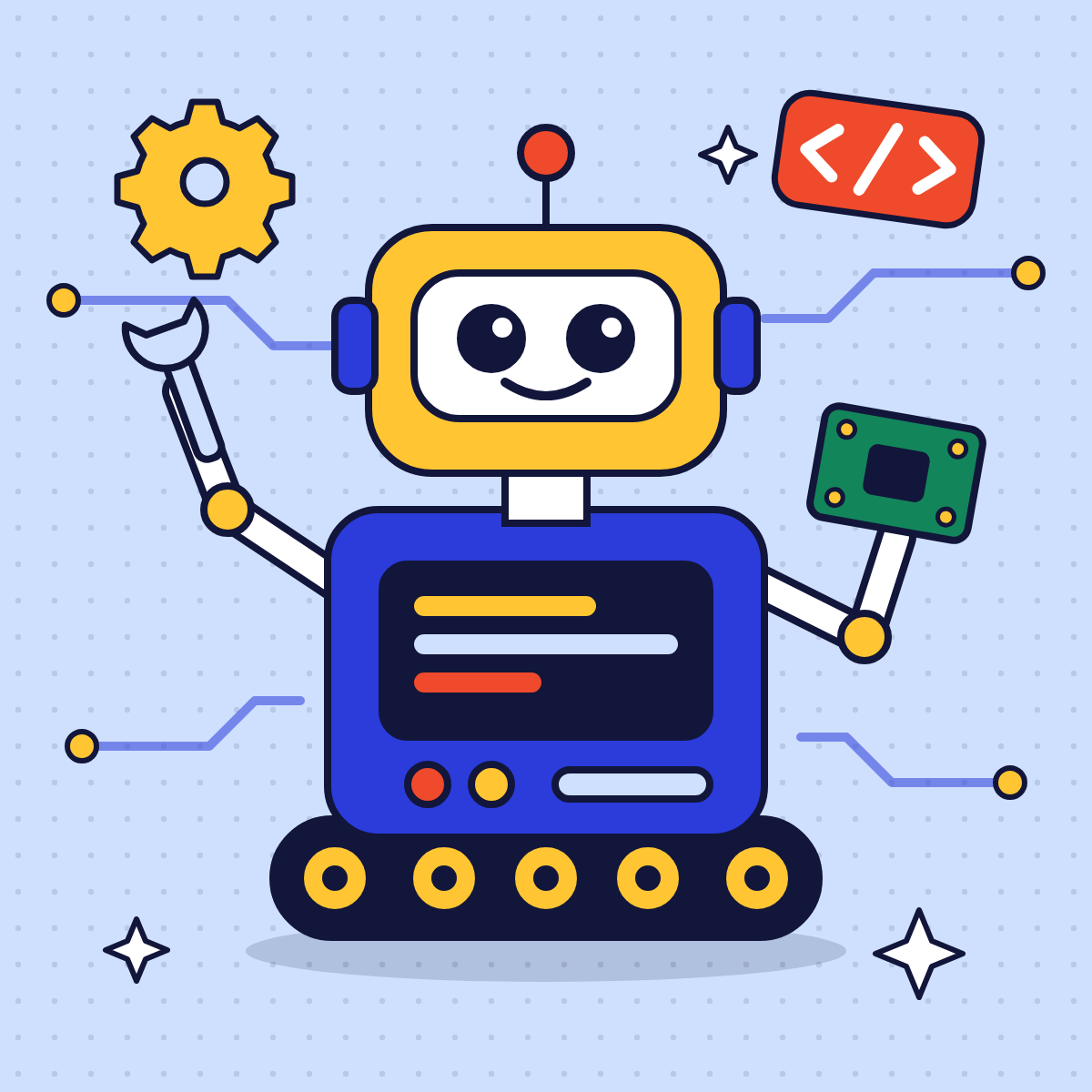
Engineering is the most hands-on subject there is — and in most classrooms it never leaves the page. Students learn the names of things they have never held: a motor, a sensor, a gear, a line of code. The ones who would have loved it never find out.
Robotics fixes that faster than anything we know. A robot is mechanics, electronics and code in one object, and it either works or it doesn't. Students learn to plan, to test, to work as a team, and to treat a failure as information rather than a verdict.
Our robotics program gives young people across Ethiopia the hardware, the mentors and the stage to do real engineering — and to see themselves as the people who build the technology the country runs on next.
Regular small-group sessions where students design, wire and program a robot from the first bolt to the final test — and leave knowing how every part of it works.
Students build in teams, guided by mentors who are engineers, developers and university students. Teamwork, planning and problem-solving are part of the build, not an extra.
Robotics hardware lent to schools and clubs for hands-on sessions, so the cost of a kit is never the reason a student doesn't get to build one.
Robotics events where teams bring what they have built, put it to the test, and learn from every other team in the room.
Every robot comes down to three questions. Flip a card to see how a student answers each one with their own hands.
No experience needed. Book a call or send a message and we'll tell you about the next session near you.
Design, wire, code and test a robot with a team and a mentor — breaking things and fixing them is how it works.
Bring your robot to an event, test it against real challenges, and come back with ideas for the next one.
No. Workshops start from the basics, and teams mix beginners with students who have built before — which is good for both.
Young people from about 10 to 25, with sessions pitched to the age and experience of the group.
Yes. Book a call or send us a message about your students and space, and we'll plan a session with you.
Please do. Sign up on the volunteer page and tell us what you build; mentors are the reason our teams get as far as they do.
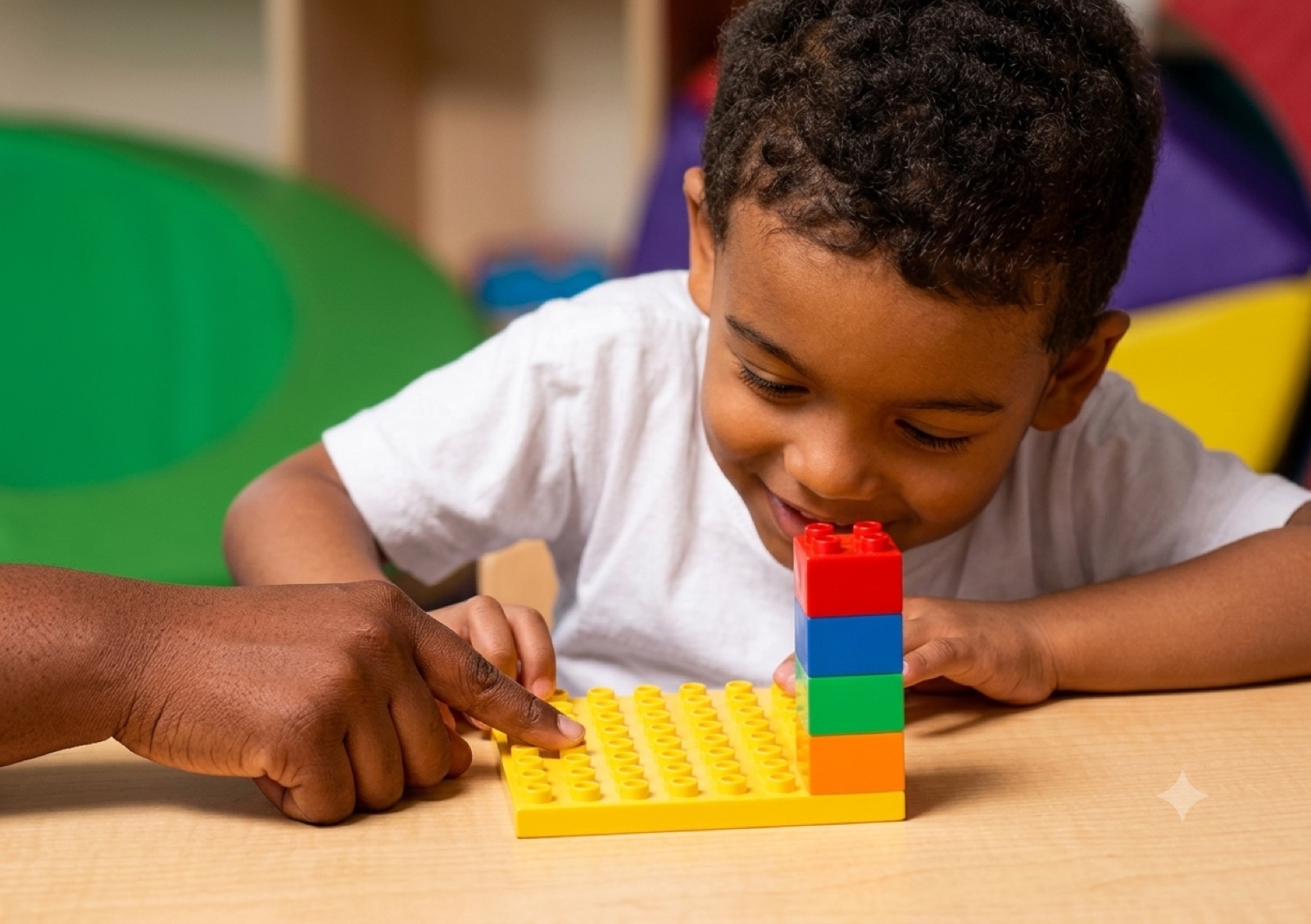 Program 01
Hands-on STEAM
Hands-on science, technology, engineering, art and maths: lessons built around things students make and test, so everyone in the class takes part.
Explore
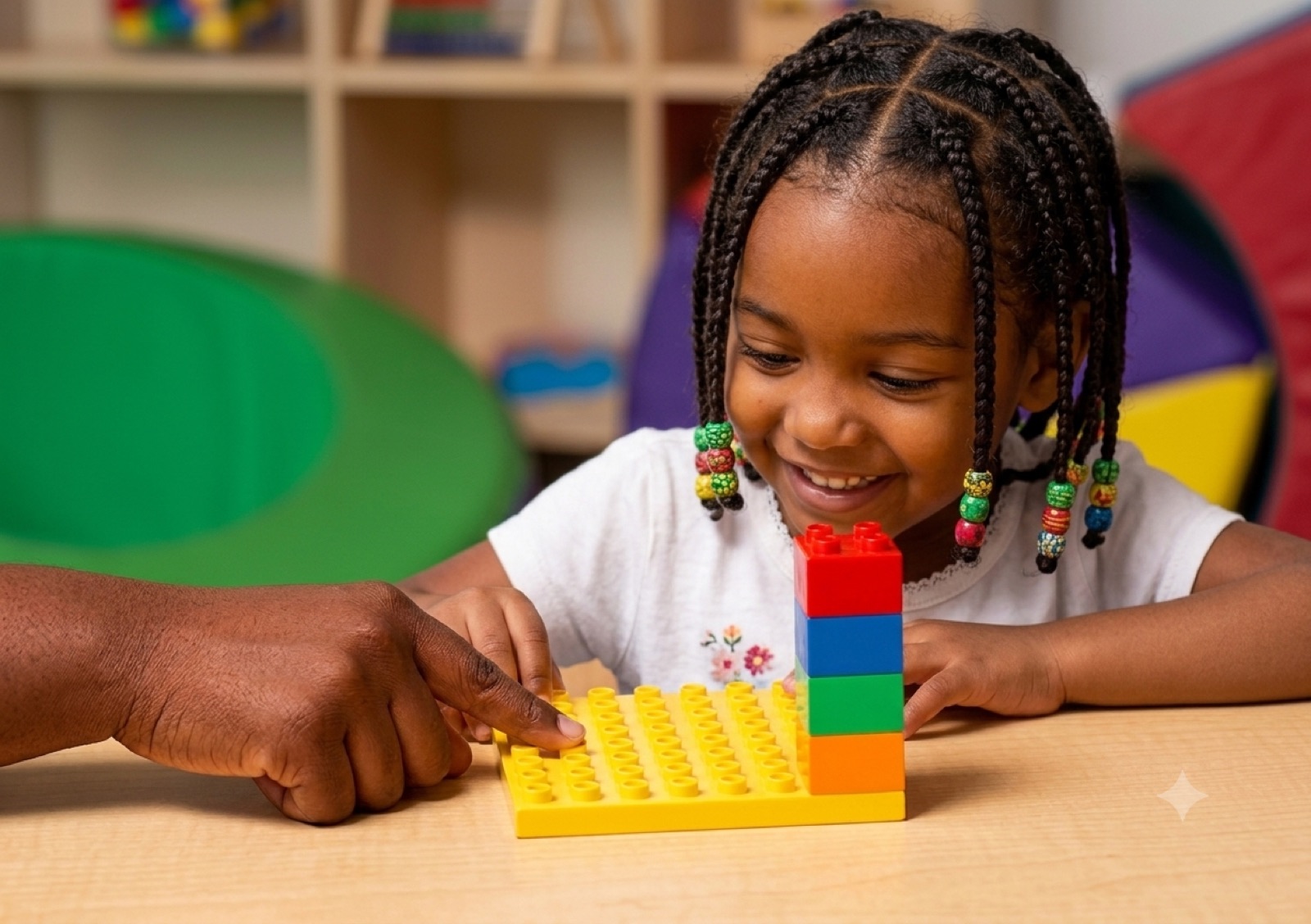 Program 03
Teacher training
Practical training in hands-on, inclusive teaching — how to adapt a lesson, run a mixed classroom, and give every student a real way in.
Explore
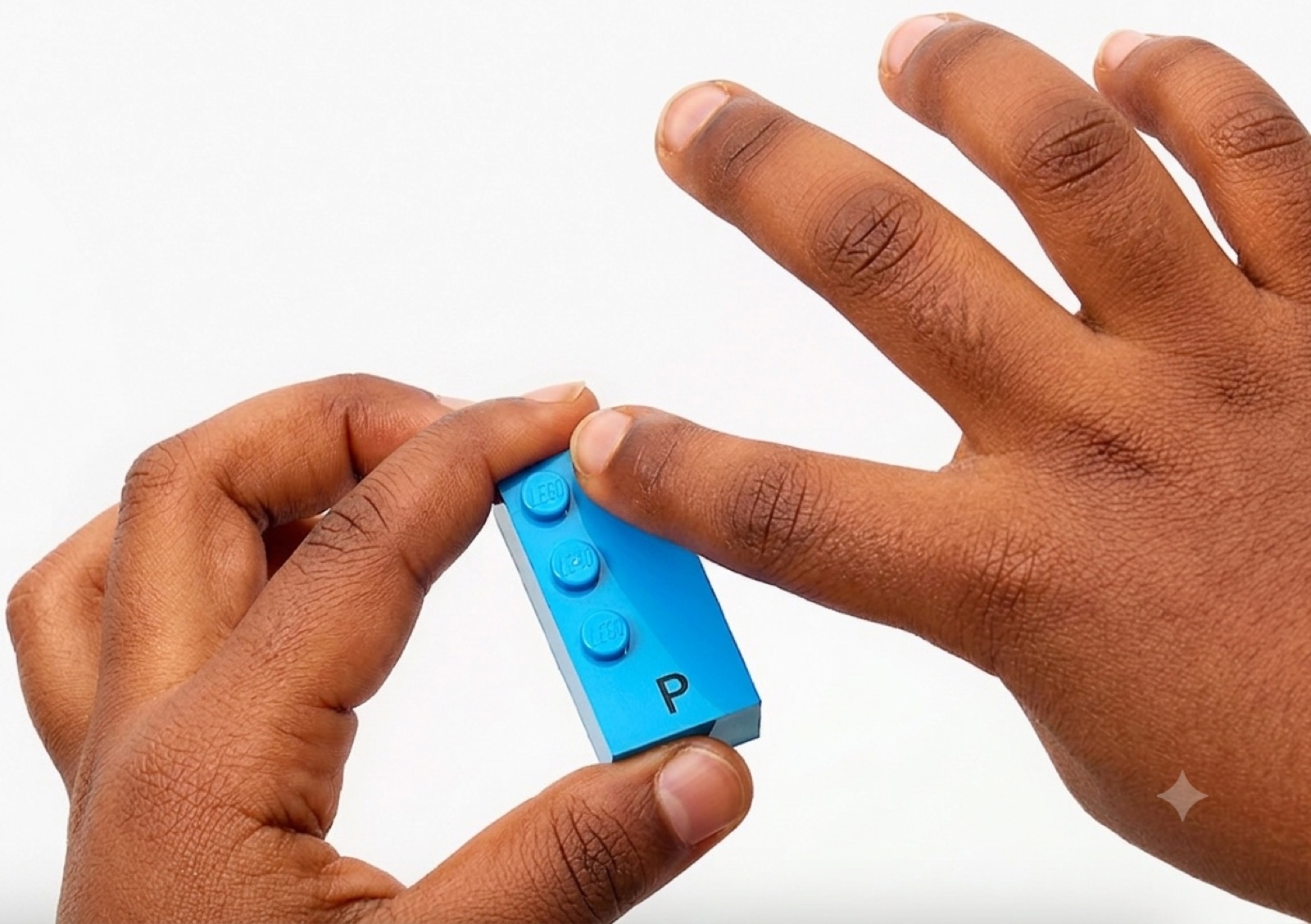 Program 04
Tech for good
Braille and tactile learning kits for blind and low-vision students, school vision screenings, and a first pair of glasses for children who can't see the board.
Explore