Hands-on activities
Science, maths and engineering lessons built around things to pick up, build, measure and test — not just a diagram on the board.
Hands-on science, technology, engineering, art and maths: lessons built around things students make and test, so everyone in the class takes part.
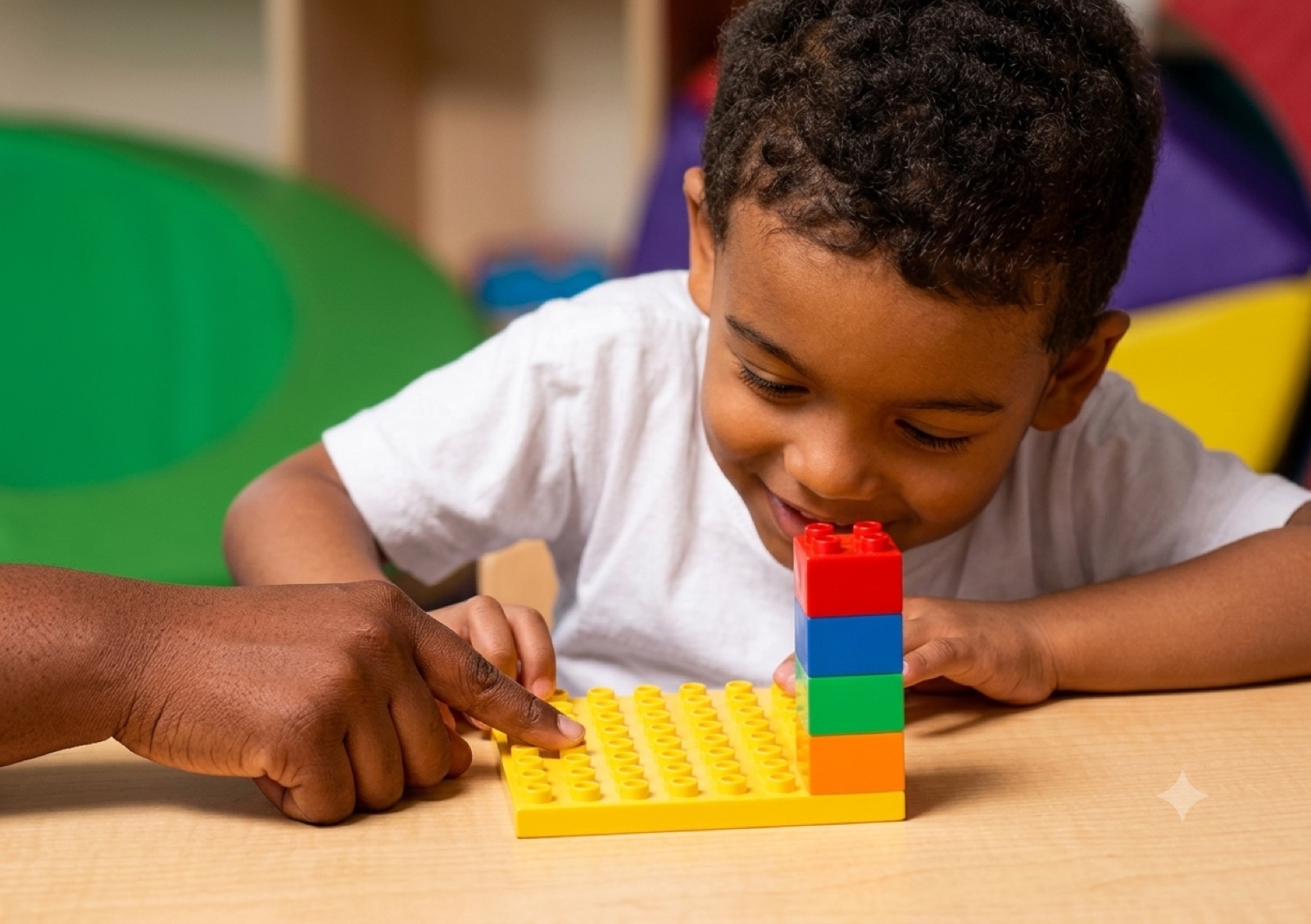
Science and maths are some of the most hands-on subjects there are — and some of the most often taught as something to memorise. Formulas are copied from the board. Diagrams stay on the page. The students who need to touch, build and test to understand are left behind, and the students who can't see the board are left out entirely.
We think that is backwards. When a lesson starts with something students can hold — a tower of bricks, a shape on a baseplate, a measurement they make themselves — understanding follows. And when that lesson is designed so a blind student can take part fully, it turns out to work better for everyone else at the table too.
Our STEAM program brings that approach into ordinary classrooms: activities, materials and guides that make science and maths something every student does, not something a few students watch.
Science, maths and engineering lessons built around things to pick up, build, measure and test — not just a diagram on the board.
Every activity works for sighted and blind students side by side, so nobody is handed a separate, simpler version.
Low-cost, durable materials a school can keep using long after a workshop ends — bricks, baseplates and everyday objects.
Each activity comes with notes a teacher can follow without specialist training, so the lessons keep running after we leave.
A few examples of how a familiar topic changes when students can build it with their hands. Flip a card to see the idea.
Book a call or send a message. We learn about your students, your timetable and what you already have.
We choose activities that fit your curriculum and the students in the room, including any who are blind or low-vision.
We run the first sessions alongside your teachers, then leave the materials and guides behind.
No. The activities are designed around low-cost materials, and we'll talk through what you already have before suggesting anything new.
No — they're for the whole class. They are designed so that blind and low-vision students can take part fully, which tends to make them better for everyone.
Book a call or send us a message through the contact page, and tell us a little about your school. We'll take it from there.
 Program 02
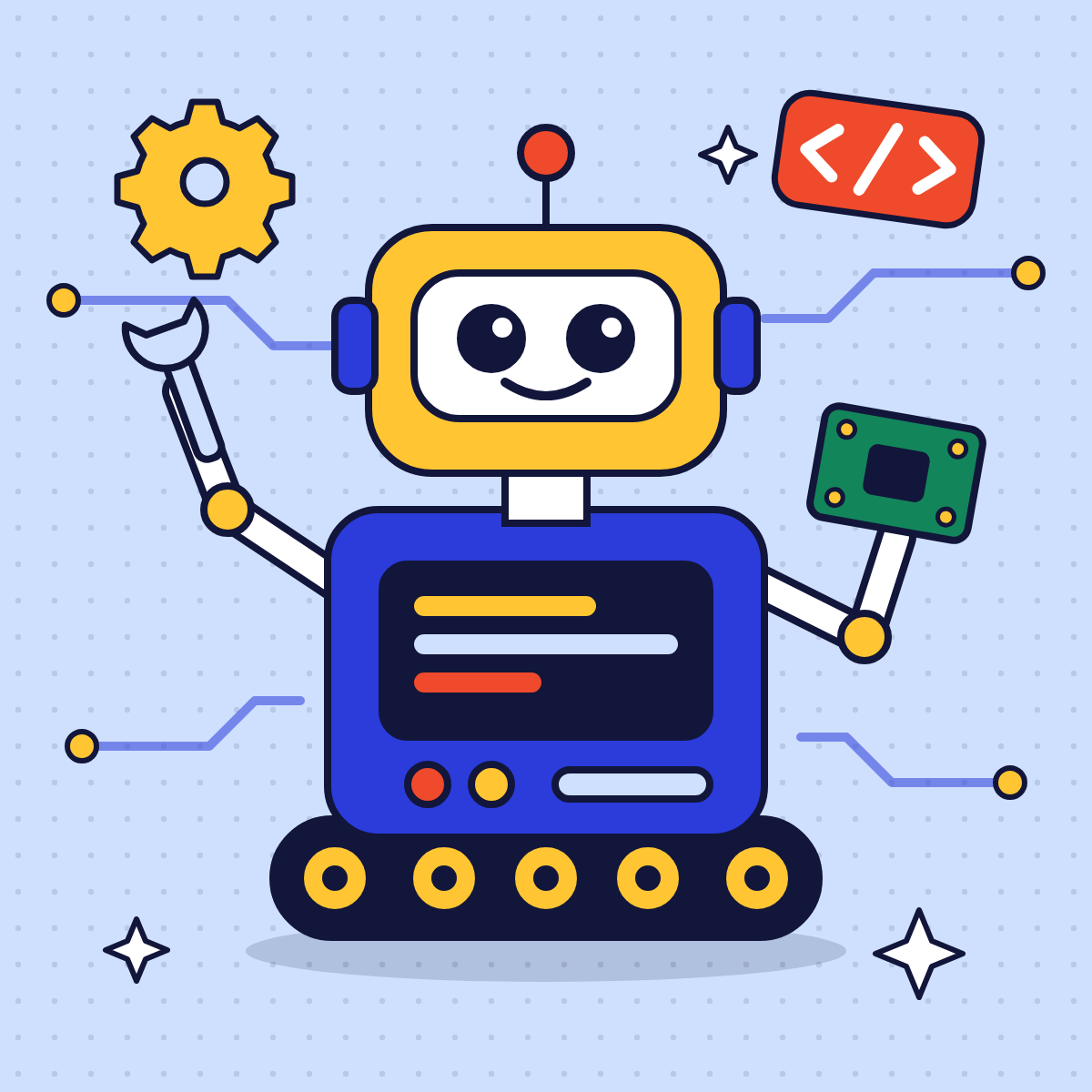
Robotics & engineering
Hands-on robotics for ages 10 to 25: mechanical design, electronics and coding, learned in teams with engineering mentors and shown at robotics events.
Explore
 Program 03
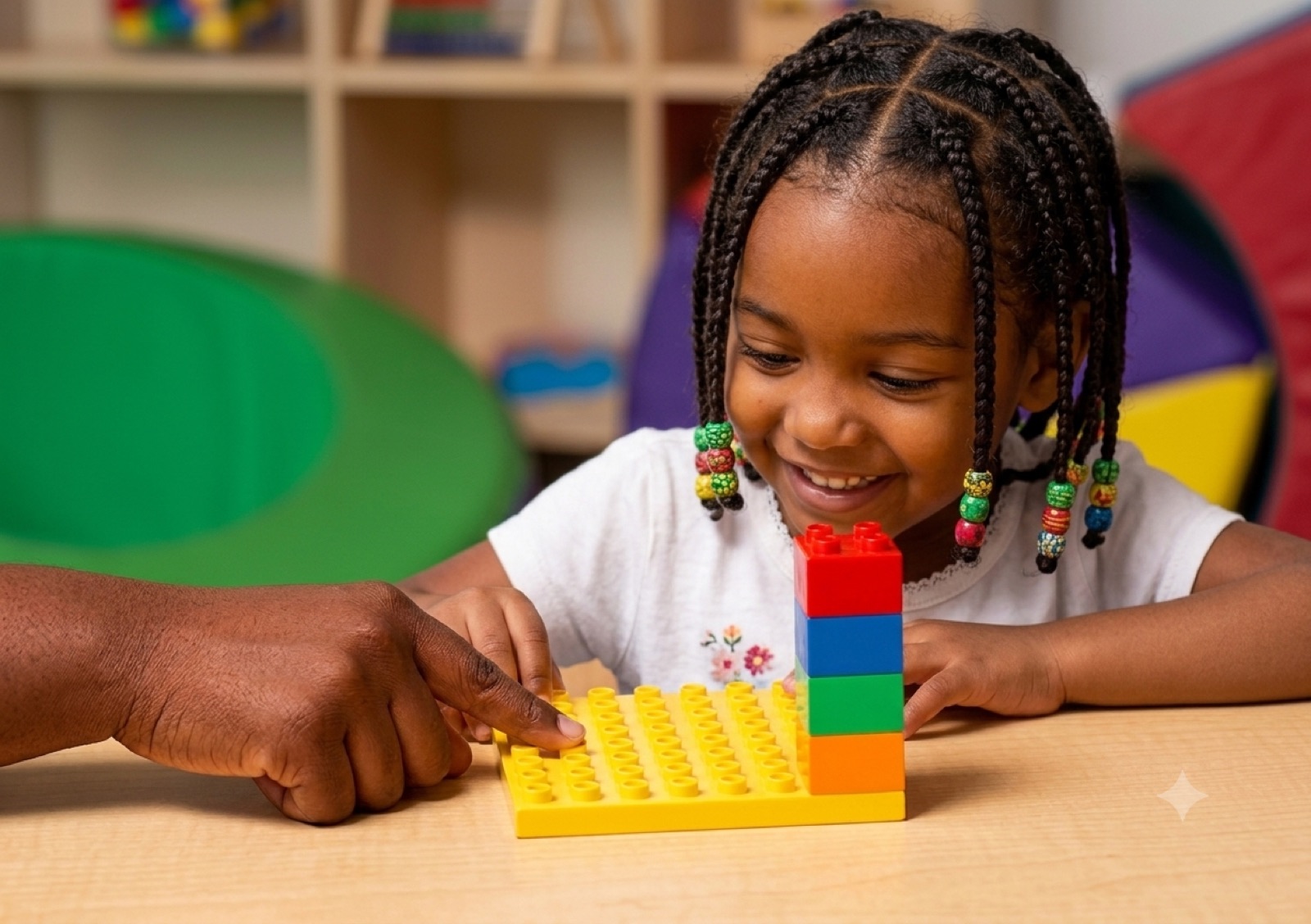
Teacher training
Practical training in hands-on, inclusive teaching — how to adapt a lesson, run a mixed classroom, and give every student a real way in.
Explore
 Program 04
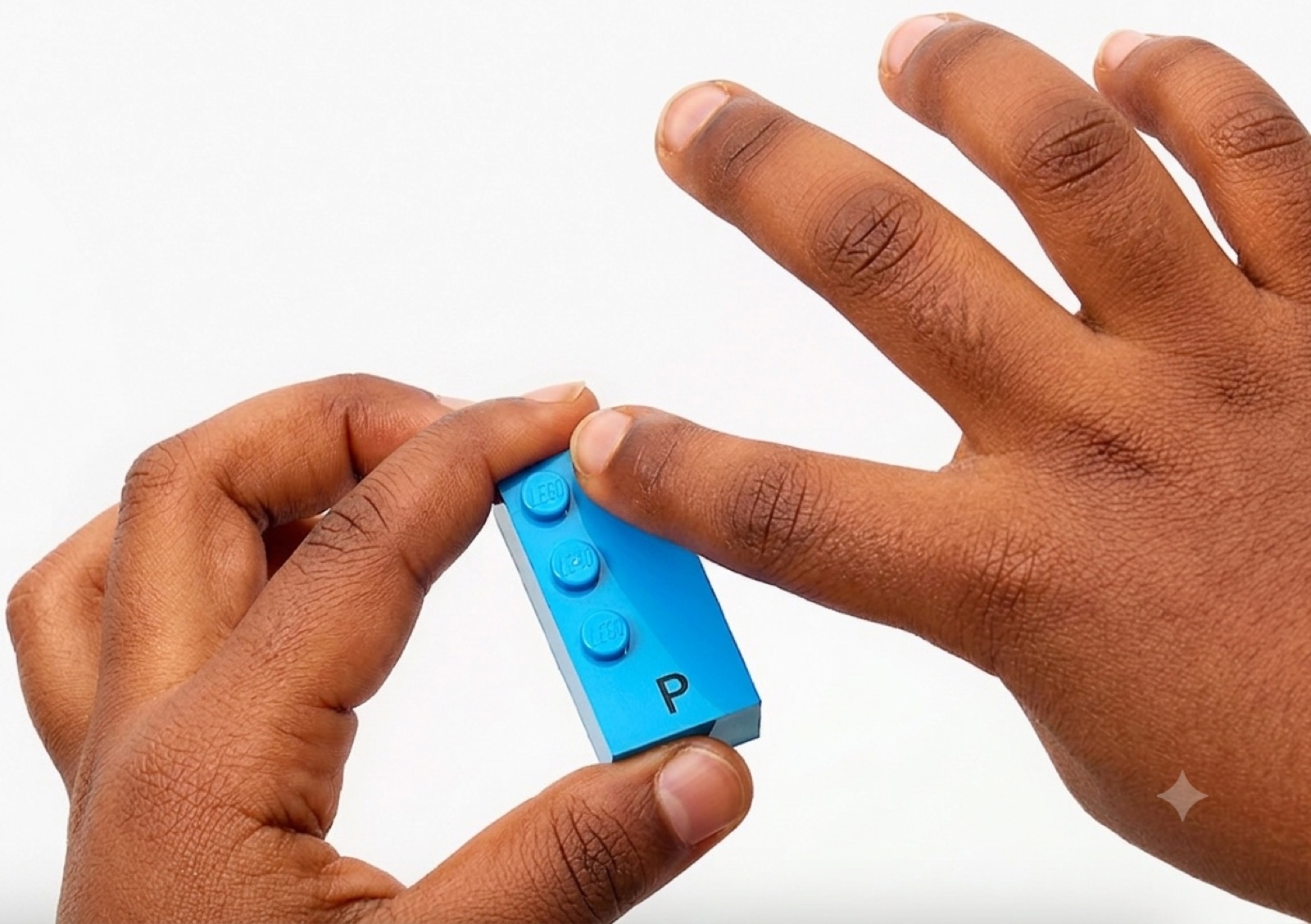
Tech for good
Braille and tactile learning kits for blind and low-vision students, school vision screenings, and a first pair of glasses for children who can't see the board.
Explore