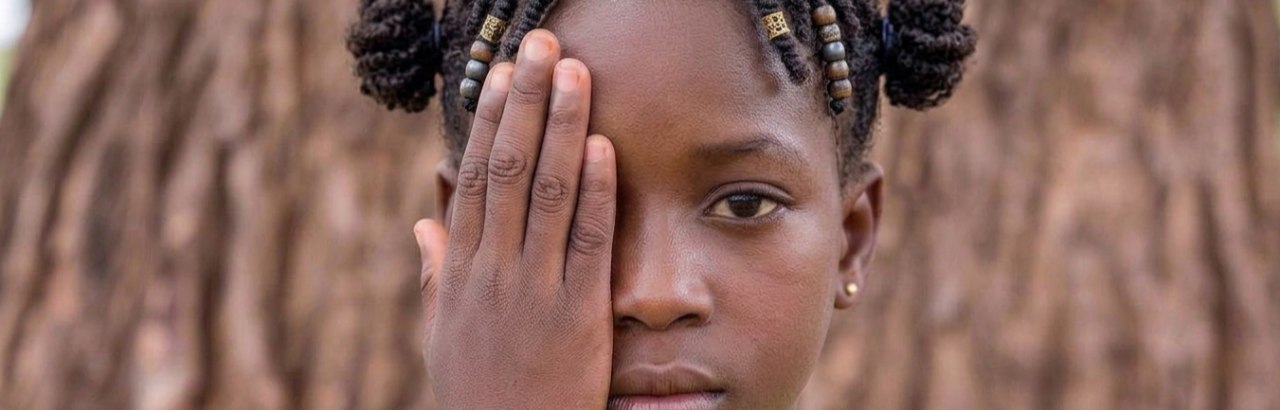
At the first school screening we ran, teachers gave us a list of the students they were worried about — the ones failing, the ones who had stopped trying. By the end of the day the pattern was impossible to ignore: a large share of the "weak students" had never clearly seen a blackboard in their lives.
No one had failed them on purpose. A teacher facing sixty children cannot diagnose why one of them squints. A parent who has never had an eye exam doesn't think to ask for one. The children themselves assumed everyone saw the world the way they did — blurred, and from the front row if they were lucky.
A screening costs a few dollars per child and takes minutes. Undetected, poor vision quietly takes the whole education instead.
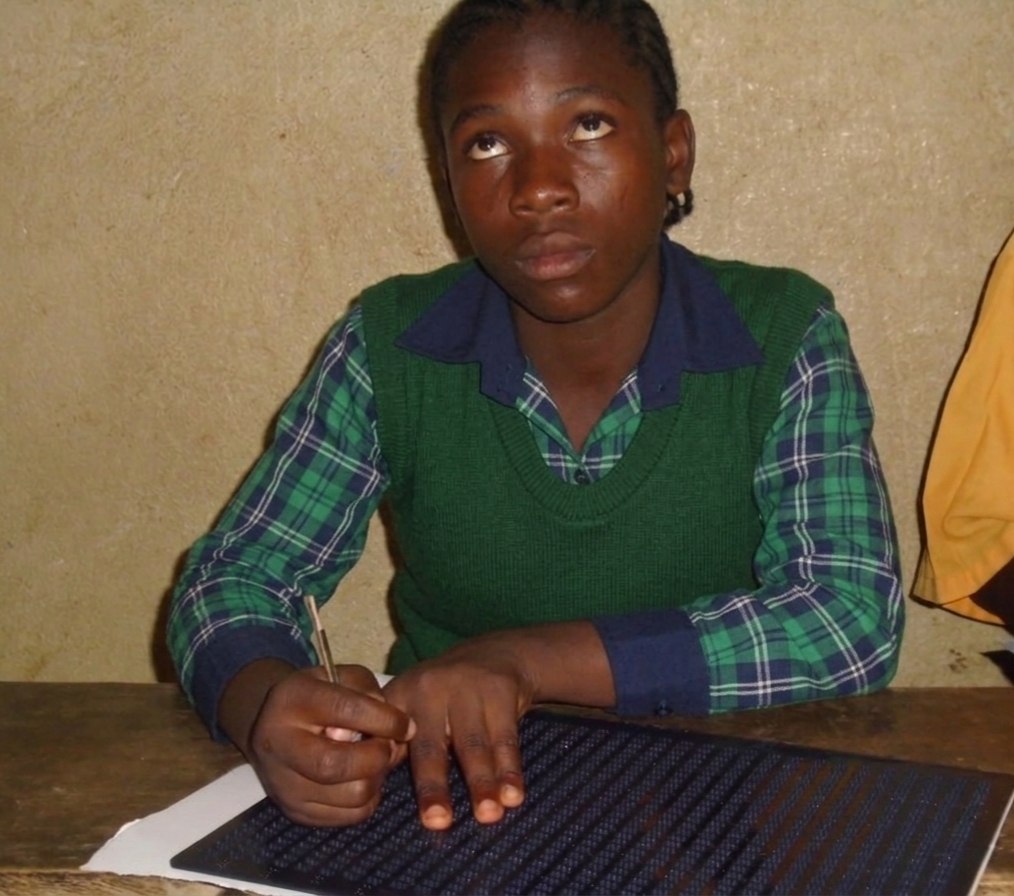
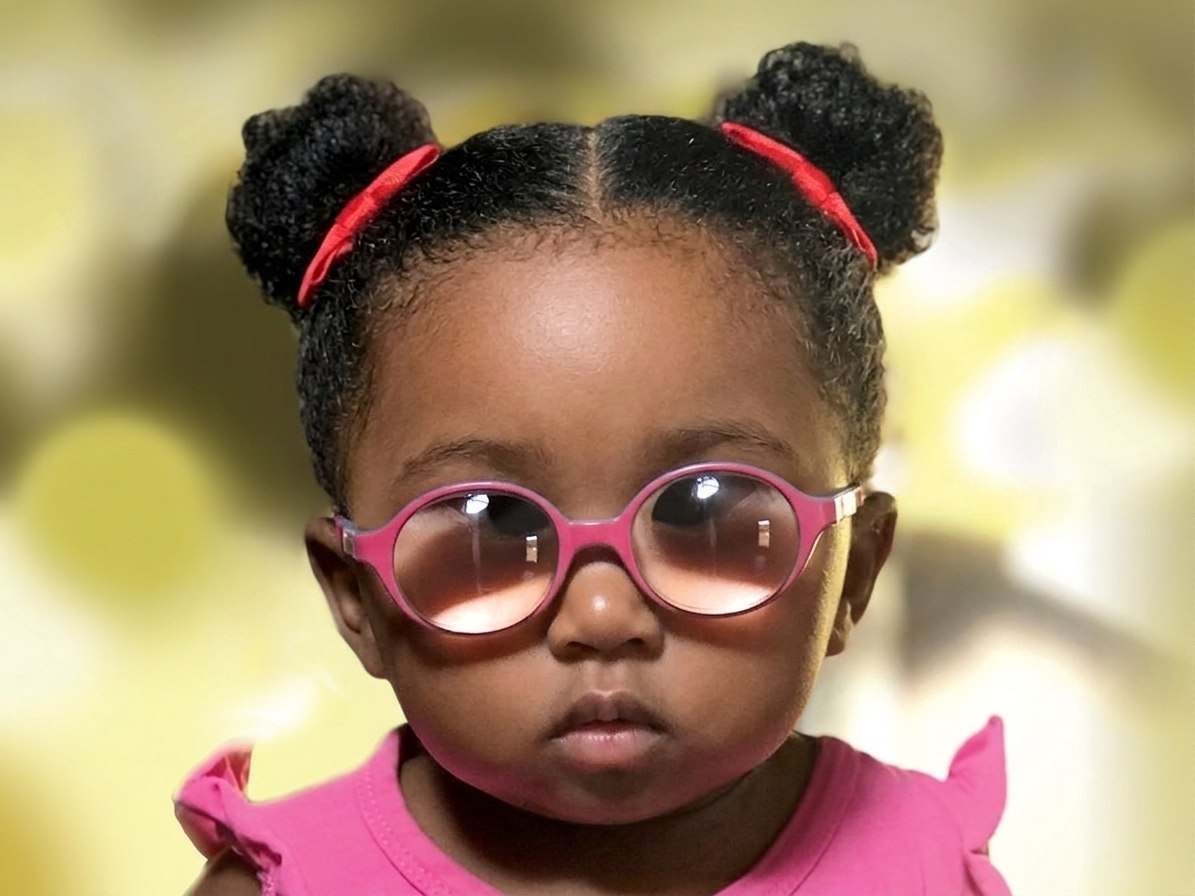
A screening day finds the children who need glasses, the ones who need medical referral, and — most urgently — the ones losing their sight who need to start braille and mobility training now, while it can still shape their schooling instead of ending it.